



TLR7
TLR7 is an endosomal pattern-recognition receptor that detects single-stranded RNA (ssRNA) and supports antiviral innate immunity[1]. Mechanistically, TLR7 activation engages IRF and NF-κB programs, producing type I interferon-related and inflammatory responses that vary by immune cell type[1]. In inflammatory contexts, NF-κB can also prime non-native TLR7-expressing cells to respond to TLR7 agonists with pro-inflammatory signaling[2]. Disease models link TLR7/TLR8 activation to lupus-related autoimmunity, and TLR7-driven signatures appear in human cells and lupus mouse models[1]. Compared with TLR8, TLR7 shows distinct ligand specificity, cellular expression, and pathway bias, supporting nonredundant functions among RNA-sensing endosomal isoforms[1][3]. In human monocytes during RNA virus infection, TLR7 and TLR8 activate distinct signaling pathways and generate different cytokine-related phenotypes[3]. For experimental applications, TLR7-selective agonists such as CL-087 help separate direct TLR7 responses from TLR8-driven inflammatory programs in human immune cells[1]. Small-molecule modulation remains useful for isoform-dissection studies because selective TLR8 antagonists demonstrate that closely related endosomal TLRs can be pharmacologically separated[4].
References:
- [1]. Bender AT, et al. TLR7 and TLR8 Differentially Activate the IRF and NF-κB Pathways in Specific Cell Types to Promote Inflammation. Immunohorizons. 2020 Feb 21;4(2):93-107. [Content Brief]
- [2]. Lee J, et al. Nuclear factor kappaB (NF-kappaB) activation primes cells to a pro-inflammatory polarized response to a Toll-like receptor 7 (TLR7) agonist. Biochem J. 2009 Jun 26;421(2):301-10. [Content Brief]
- [3]. de Marcken M, et al. TLR7 and TLR8 activate distinct pathways in monocytes during RNA virus infection. Sci Signal. 2019 Oct 29;12(605):eaaw1347. [Content Brief]
- [4]. Zhang S, et al. Small-molecule inhibition of TLR8 through stabilization of its resting state. Nat Chem Biol. 2018 Jan;14(1):58-64. [Content Brief]
-
TLR7 Related Products (120)
Related Products (120)

-
Resiquimod
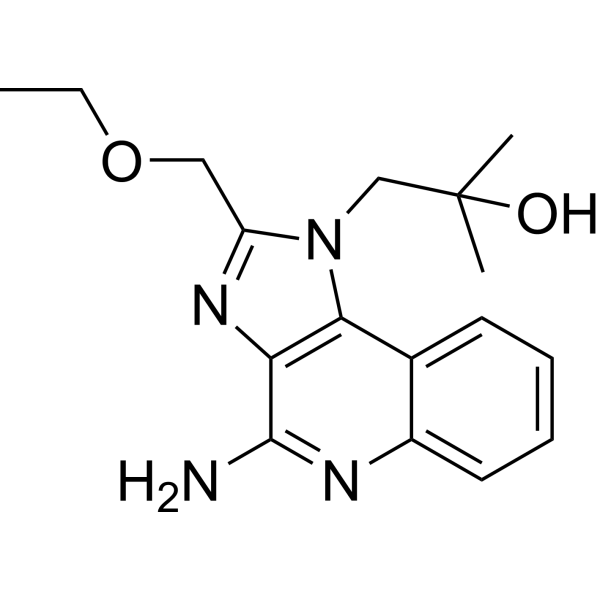 0 ImagesSynonyms: R848; S28463Resiquimod is a Toll-like receptor 7 and 8 (TLR7/TLR8) agonist that induces the upregulation of cytokines such as TNF-α, IL-6 and IFN-α.
-
Enpatoran
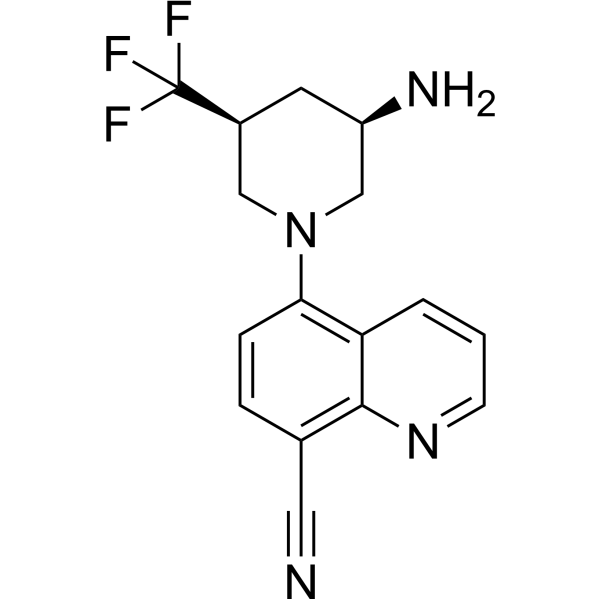 0 ImagesSynonyms: M5049Enpatoran (M5049) is an orally active and selective TLR7/8 antagonist. Enpatoran inhibits the activation of the downstream type I interferon pathway. Enpatoran is used in studies of cutaneous lupus erythematosus, systemic lupus erythematosus with cutaneous manifestations, and psoriasis.
-
Hydroxychloroquine sulfate
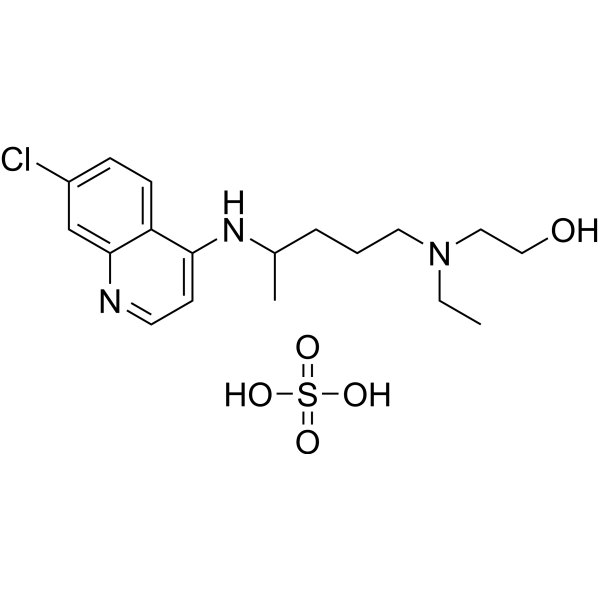 0 ImagesHydroxychloroquine sulfate (HCQ sulfate) is a synthetic antimalarial agent which can also inhibit Toll-like receptor 7/9 (TLR7/9) signaling. Hydroxychloroquine sulfate is efficiently inhibits SARS-CoV-2 infection in vitro.
-
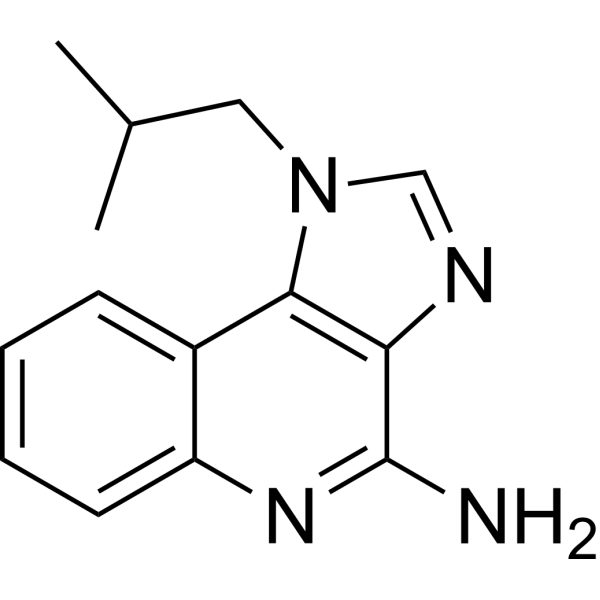
Imiquimod hydrochloride
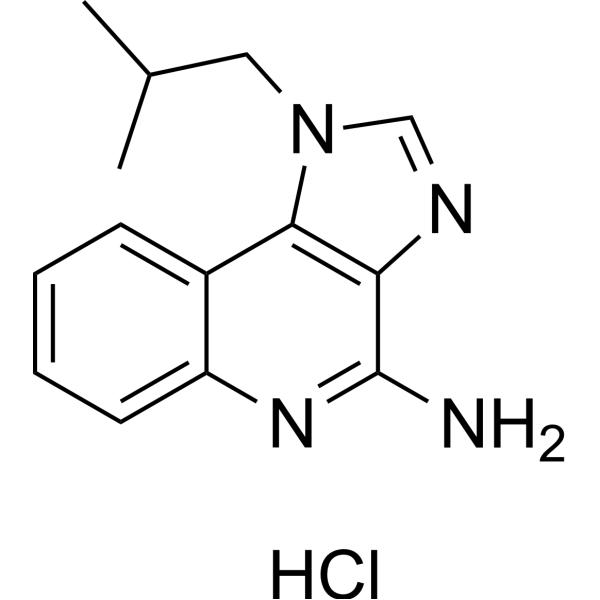 0 ImagesSynonyms: R 837 hydrochlorideImiquimod hydrochloride (R 837 hydrochloride), an immune response modifier, is a selective toll like receptor 7 (TLR7) agonist. Imiquimod hydrochloride exhibits antiviral and antitumor effects in vivo. Imiquimod hydrochloride can be used for the research of external genital, perianal warts, cancer and COVID-19.
-
Enpatoran hydrochloride
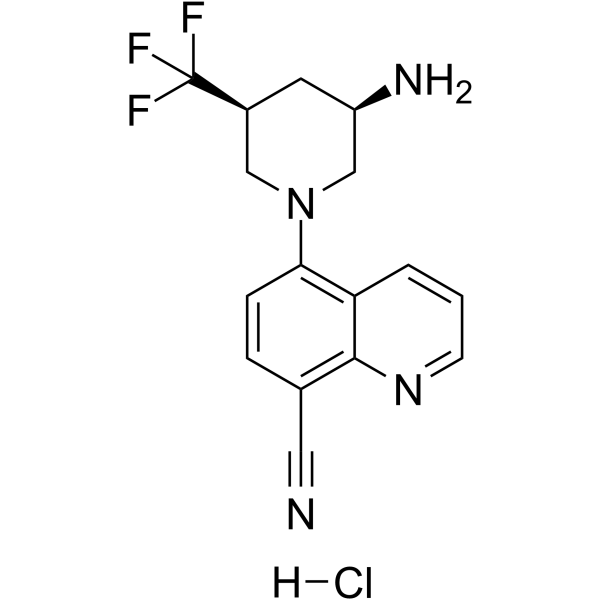 0 ImagesSynonyms: M5049 hydrochlorideEnpatoran hydrochloride (M5049 hydrochloride) is an orally active and selective TLR7/8 antagonist. Enpatoran hydrochloride inhibits the activation of the downstream type I interferon pathway. Enpatoran hydrochloride is used in studies of cutaneous lupus erythematosus, systemic lupus erythematosus with cutaneous manifestations, and psoriasis.
-
Hydroxychloroquine sulfate (Standard)
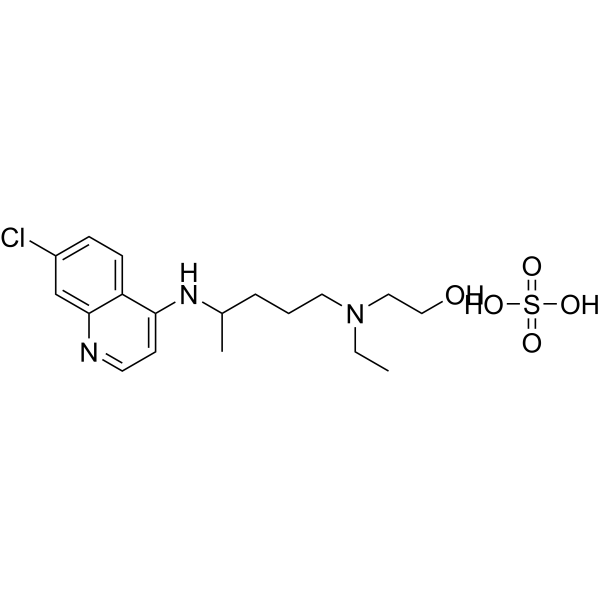 0 ImagesHydroxychloroquine (sulfate) (Standard) is the analytical standard of Hydroxychloroquine (sulfate). This product is intended for research and analytical applications. Hydroxychloroquine sulfate (HCQ sulfate) is a synthetic antimalarial agent which can also inhibit Toll-like receptor 7/9 (TLR7/9) signaling. Hydroxychloroquine sulfate is efficiently inhibits SARS-CoV-2 infection in vitro.
-
Atractylenolide I
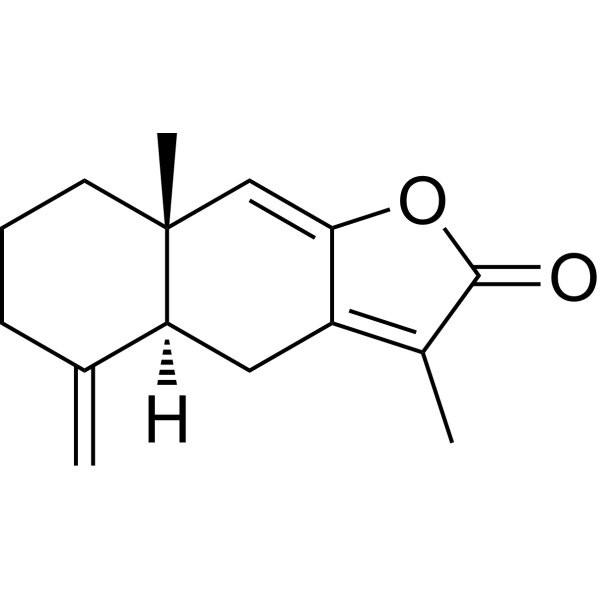 0 ImagesAtractylenolide I is a sesquiterpene derived from the rhizome of Atractylodes macrocephala, possesses diverse bioactivities, such as neuroprotective, anti-allergic, anti-inflammatory and anticancer properties. Atractylenolide I reduces protein levels of phosphorylated JAK2 and STAT3 in A375 cells, and acts as a TLR4-antagonizing agent.
-
Telratolimod
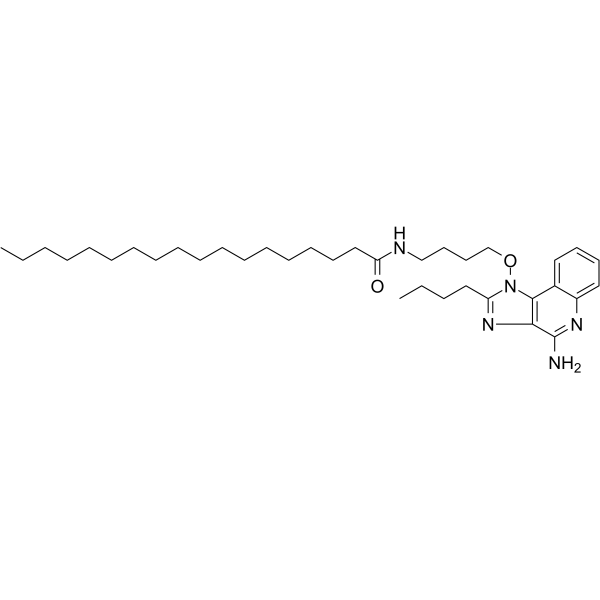 0 ImagesSynonyms: MEDI9197; 3M-052Telratolimod (MEDI9197) is a potent toll like receptors 7/8 (TLR7/8) agonist, with antitumor activity.
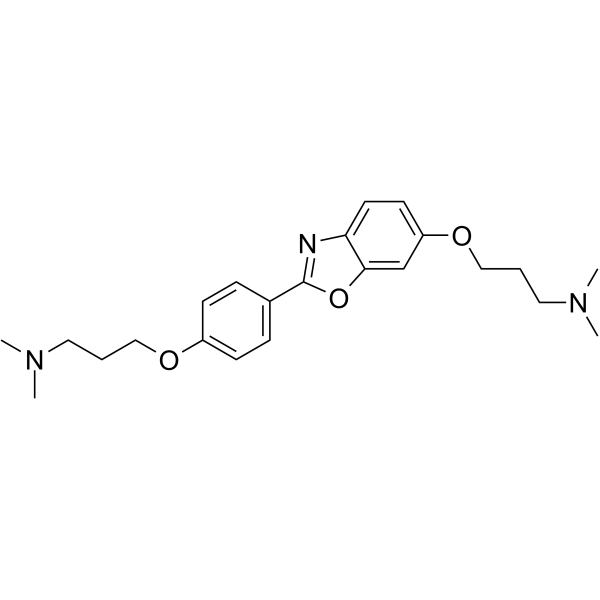
-
Vesatolimod
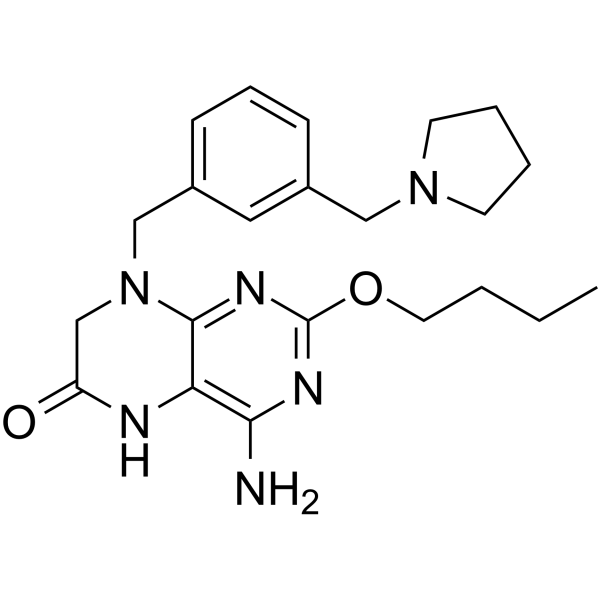 0 ImagesSynonyms: GS-9620Vesatolimod (GS-9620) is a potent, selective and orally active agonist of Toll-Like Receptor (TLR7) with an EC50 of 291 nM.
-
CL097
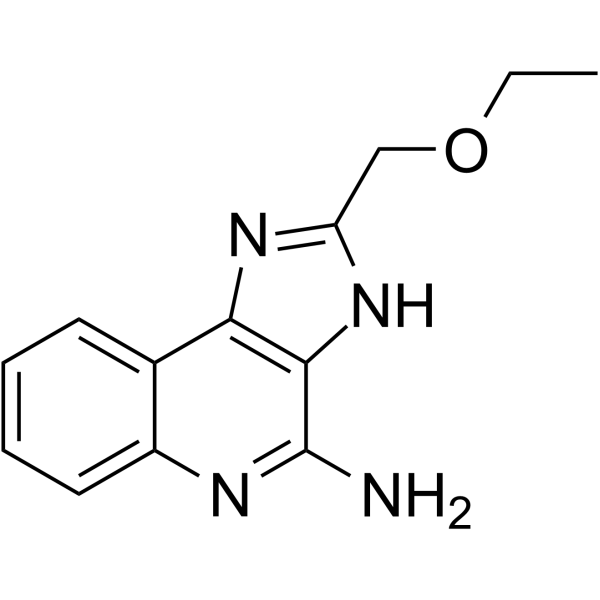 0 ImagesCL097, a potent TLR7 and TLR8 agonist, induces pro-inflammatory cytokines in macrophages. CL097 induces NADPH oxidase priming, resulting in an increase of the fMLF-stimulated ROS production.
-
ssRNA40 sodium
 0 ImagesCat. No.: HY-160229Purity: 98.34%Synonyms: R-1075 sodiumssRNA40 sodium (R-1075 sodium) is a single-stranded RNA40 derived from HIV-1. ssRNA40 sodium activates the TLR7, TLR8, TLR2, RIG-I, MDA5, MyD88, Caspase-3, IRE1α, NLRP3 inflammasome and IRF7 signaling pathways. ssRNA40 sodium alters mRNA expression in neutrophils, induces pro-inflammatory cytokines, ROS, autophagy (autophagy), pyroptosis (pyroptosis), neuronal death, neurodegeneration, aggregate formation and NK cell activation. ssRNA40 sodium activates the expression of CD62L, CD11b, CD69, MX1, OAS1, ATG7, LC3B and XBP1 in immune cell and neuronal populations. ssRNA40 sodium causes cortical neuron loss and axonal damage in mice in a TLR7-dependent manner. ssRNA40 sodium can be used in research on HIV-1 infection, neurodegeneration, COVID-19 and HIV-associated neurological disorders.
-
E6446
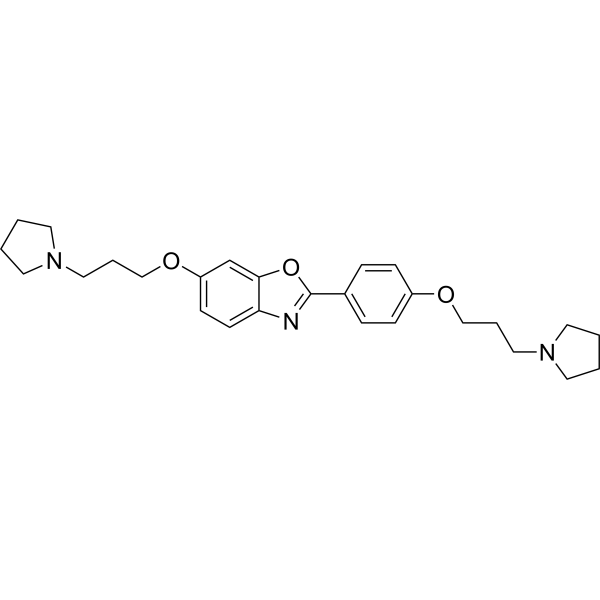 0 ImagesE6446 is a potent and orally acitve TLR7 and TLR9 antagonist, used in the research of deleterious inflammatory responses. E6446 is also a potent SCD1 inhibitor (KD: 4.61 μM), significantly inhibiting adipogenic differentiation and hepatic lipogenesis through SCD1-ATF3 signaling. E6446 also improves liver pathology in high-fat diet (HFD)-fed mice and may be useful in the study of non-alcoholic fatty liver disease (NAFLD).
-
E6446 dihydrochloride
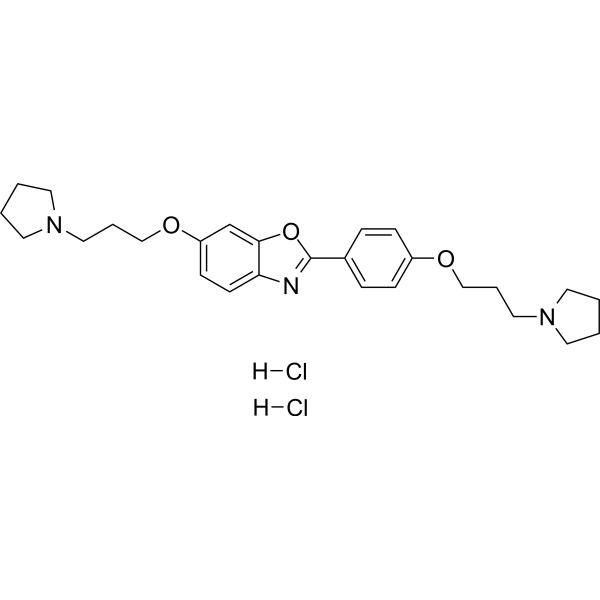 0 ImagesE6446 dihydrochloride is a potent and orally acitve TLR7 and TLR9 antagonist, used in the research of deleterious inflammatory responses. E6446 dihydrochloride is also a potent SCD1 inhibitor (KD: 4.61 μM), significantly inhibiting adipogenic differentiation and hepatic lipogenesis through SCD1-ATF3 signaling. E6446 dihydrochloride also improves liver pathology in high-fat diet (HFD)-fed mice and may be useful in the study of non-alcoholic fatty liver disease (NAFLD).
-
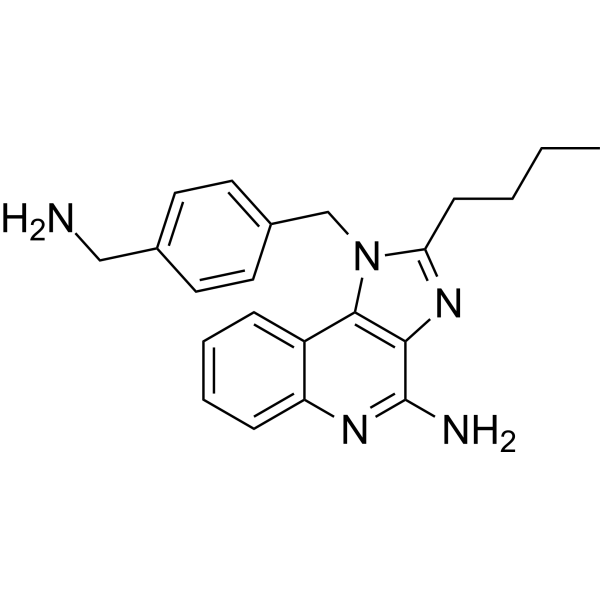
Gardiquimod
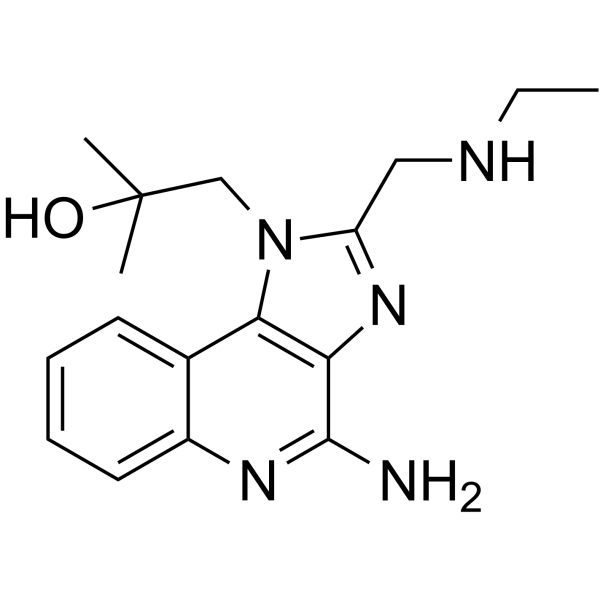 0 ImagesGardiquimod is an imidazoline TLR7/8 agonist. Gardiquimod inhibits HIV-1 infection of macrophages and activated peripheral blood mononuclear cells (PBMCs). Gardiquimod specifically activates TLR7 at concentrations below 10 μM.
-
TLR7/8-IN-1
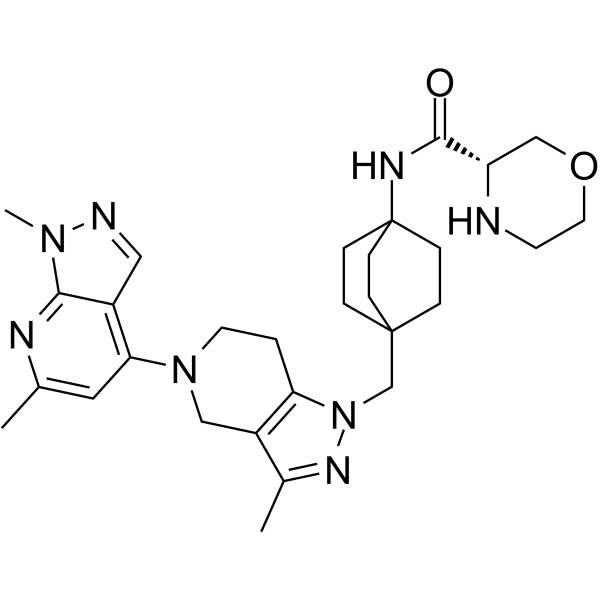 0 ImagesTLR7/8-IN-1 is a crystalline from of a TLR7/TLR8 inhibitor extracted from patent WO2019220390, compound 2b. TLR7/8-IN-1 can be used for the research of autoimmune disease.
-
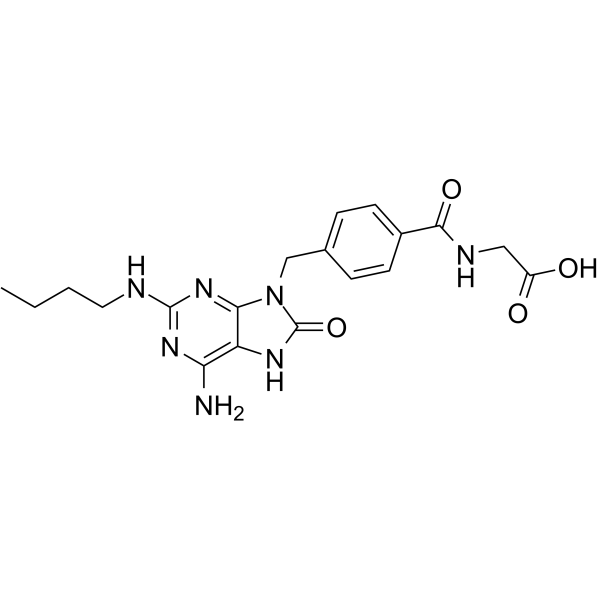
TLR7/8 agonist 1 dihydrochloride
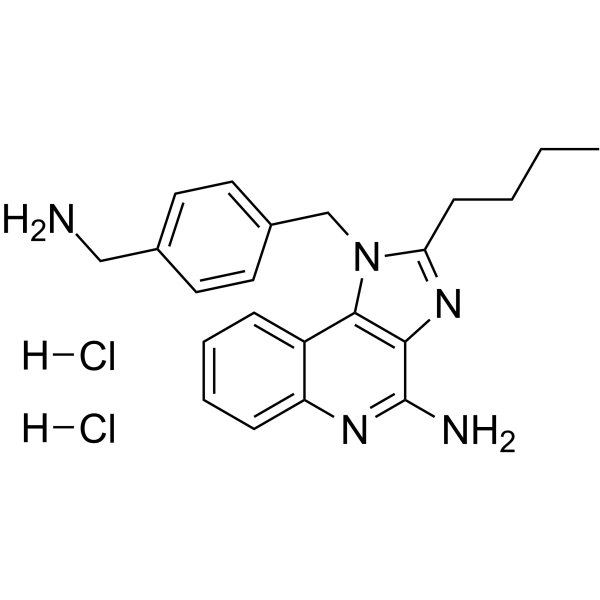 0 ImagesTLR7/8 agonist 1 dihydrochloride is a toll-like receptor TLR7/TLR8 dual-agonistic imidazoquinoline.



